
Physical activity has an important role in supporting health and wellbeing throughout our lives. It can improve cardiovascular health, strengthen muscles and bones, support mental wellbeing and reduce the risk of a range of long-term health conditions. But women’s experiences of physical activity often differ from men’s.
Biological, social and cultural factors can all influence how women engage with movement, the barriers they face and the support they need to stay active. Increasing awareness of these differences is helping to create more inclusive conversations around health and wellbeing, while highlighting opportunities to better support women throughout every stage of life.
Women’s health is often discussed in relation to specific life stages, such as pregnancy or menopause. While these are important considerations, understanding women’s health is important at every stage of life.
From adolescence through to older age, women experience a range of physical, hormonal and social changes that can influence their participation in and experiences of physical activity. By understanding these experiences, we can make sure being active stays accessible and beneficial throughout.
It’s also important to remember that these experiences differ with each person, goal and set of circumstances, so approaches to health and wellbeing should reflect this.
Historically, most areas of health and physical activity research were based on male participants. These studies, in turn, have formed research, policies and programmes, so many recommendations and practices do not reflect the realities of women’s lives. Academics, healthcare professionals and charities are now working to address these gaps, creating a more complete understanding of how physical activity can support women’s health.
We have learnt that hormones play an important role in women’s health, with hormonal fluctuations influencing energy levels, recovery, sleep, mood and overall wellbeing. Menstrual cycles, pregnancy, postpartum recovery and menopause are all examples of experiences that affect how women feel and respond to physical activity. These changes can influence the type, intensity or timing of movement that feels best for women, and recognising these variations help us acknowledge that flexibility and individualisation can help people remain active in ways that support their health and wellbeing.
A key example of the important benefits physical activity can provide is maintaining bone strength, which becomes increasingly important as women age and the risk of osteoporosis rises. Exercise also supports cardiovascular health (in all genders), despite the common misconception that heart disease is primarily a men’s health issue. Research studies into women’s strength-based activities are increasingly finding that that it can help to preserve muscle mass and functional capacity, which supports independence and quality of life in later years. At the same time, exercise contributes to the prevention and management of a range of chronic health conditions, reinforcing its importance across the lifespan.
The relationship between fitness and mental wellbeing is also particularly relevant to discussions around women’s health, with rates of mental health disorders 1.5 to 2.5 times lower in girls who play sports compared with girls who have never played sport. Many women balance multiple responsibilities across work, family, caregiving and community life. These demands can create challenges when it comes to prioritising time for physical activity. Moving regularly can offer benefits that extend beyond physical health by providing opportunities to manage stress, build confidence, connect with others and create space for self-care. And importantly, these benefits do not depend on achieving specific performance goals or appearance-based outcomes, but they support wellbeing in ways that are meaningful and personal.
Despite the well-established benefits of physical activity, many women continue to face barriers that can limit participation. Addressing these challenges does not mean just encouraging individual behaviour change, but creating supportive environments, accessible opportunities and inclusive programmes to ensure that more women feel able to engage in movement in ways that work for them.
Barriers to participation include:
- Time constraints
- Financial considerations
- Safety concerns
- Lack of access to suitable facilities
- Social and cultural expectations
- Negative experiences related to body image or confidence
As awareness of women’s health grows, there is an opportunity to rethink how physical activity is promoted and supported, which includes recognising the diversity of women’s experiences and ensuring that opportunities for exercise are flexible and responsive to different needs.
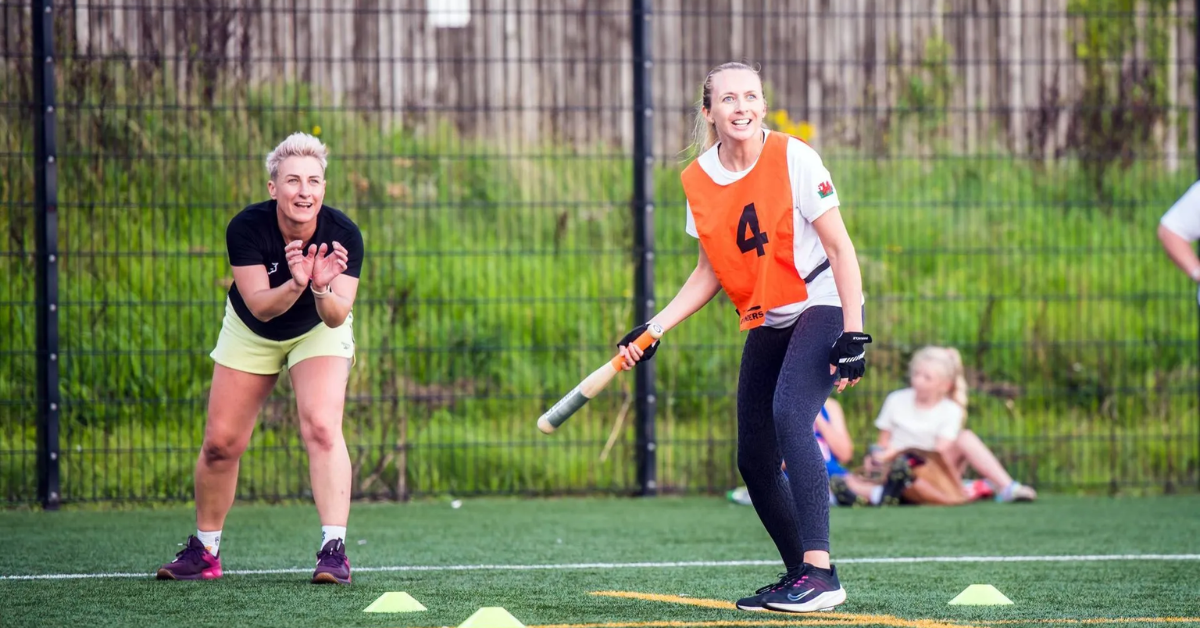
Technology and innovation are all helping to improve understanding of women’s health, and community organisations (such as NISH members MyRounders), healthcare providers and policymakers are playing an important role in creating environments where women feel supported. The goal now is to increase participation rates further and make sure more women can access the benefits of movement in positive, sustainable and meaningful ways.