
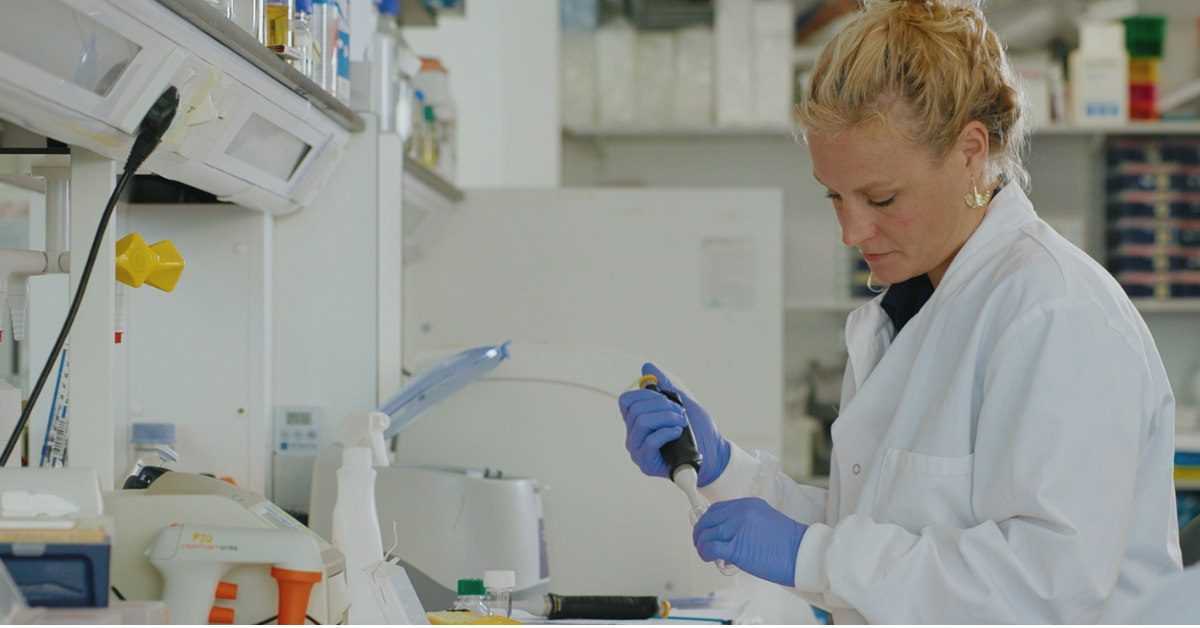
Cancer researchers are continually seeking new ways to target tumours more precisely while reducing the side effects associated with conventional treatments. One emerging approach is Bacterial Cancer Therapy (BCT), which uses safe, non-disease-causing bacteria that naturally accumulate inside tumours while being unable to survive in healthy tissue. This unique ability makes them powerful vehicles for delivering targeted therapies directly to cancer cells.
At Swansea University, Prof Paul Dyson, Principal Investigator of the Bacterial Cancer Therapy Project, and Dr Lydia Farrell, Postdoctoral Researcher, are developing innovative bacterial therapies that harness this natural tumour-targeting behaviour. Their research focuses on using bacteria to deliver genetic instructions that can switch off specific genes responsible for driving tumour growth.
The team has already demonstrated the potential of this approach by targeting a key cancer-driving gene known as c-Myc. In preclinical models of colorectal and breast cancer, the technology successfully increased survival, highlighting the promise of bacterial delivery systems as a future cancer treatment platform.

Building on these findings, the researchers are now focusing on a DNA repair gene called PARP. Their studies have shown that targeting PARP can increase the sensitivity of cancer cells to existing anti-cancer drugs in breast cancer models, potentially improving the effectiveness of current treatments. The same gene also represents a promising target in ovarian cancer, where many patients are diagnosed at a stage when treatment options are limited.
By combining targeted gene delivery with enhanced immune responses and improved sensitivity to existing therapies, the project aims to create new treatment options for patients with some of the most challenging cancers. The research also highlights the broader potential of bacterial therapies as a platform for delivering precision medicines directly to tumours.
Prof. Paul Dyson explains: “Bacterial cancer therapy uses safe, non-disease-causing bacteria that naturally collect inside cancer tumours but do not survive in healthy tissue.”
This pioneering research is advancing a highly targeted approach to cancer treatment, with the potential to improve survival, enhance the effectiveness of existing therapies, and create new options for patients with limited treatment choices.